Energy is a basic, essential nutrient supplied in the feed ration for all animals. However, in ruminants and monogastric animals, the processes of energy metabolism differ due to the unique way in which it is obtained and processed from dietary components. In ruminants, the energy contained in feed, mainly in the form of carbohydrates, is fermented in the rumen by bacteria, transforming into short-chain fatty acids (primarily acetic, propionic, and butyric). These fatty acids, once absorbed into the bloodstream, become the main source of energy for the animal. In ruminants, the absorption of glucose and fatty acids from the intestines plays a role in This method of energy metabolism is the result of the evolutionary adaptation of these animals to plant food as their main diet.
One of the negative effects of this adaptation is the risk of ketosis, caused by an excessive increase in the concentration of ketone bodies in the animal's blood. These bodies, such as beta-hydroxymalaric acid, acetoacetic acid, and acetone, accumulate due to insufficient glucose available to the liver. This phenomenon is caused by insufficient glucose supplied from the gastrointestinal tract (intestines), insufficient glucose production from gluconeogenesis, and marginal glycogen stores. At the same time, a temporary excess of fatty acids in hepatocytes prevents them from being fully burned in the Krebs cycle, leading to the formation of ketone bodies.
In high-yielding dairy cows, there are two types of ketosis:
Type II, characteristic of the period around calving, is primarily associated with excessive mobilization of adipose tissue. The cow's liver is then "flooded" with fatty acids, which often leads to ketosis and fatty liver disease. This is a result of the stress of calving, which causes depressed feed intake and, consequently, a high negative energy balance.
Type I, called spontaneous, occurs in the later stages of lactation and is primarily caused by glucose deficiency. This is due to insufficient starch in the feed ration and insufficient dry matter intake.
To prevent ketosis in dairy cows, appropriate measures can be taken:
Avoid fattening cows during the dry period with a BCS (Body Condition Score) of 3.5. Obese cows have poorer postpartum ration consumption, leading to greater fat mobilization and an increased risk of type II ketosis.
Ensure a balanced, high-calorie feed ration for lactating cows, especially in the period immediately after calving (referred to as "fresh cows"). High dry matter intake will provide more glucose and other compounds that support gluconeogenesis in the liver.
Use special "anti-ketosis" supplements that contain glucoplastic compounds, improve the palatability of the food ration and protect the liver against excessive mobilization of fat from reserve tissue.
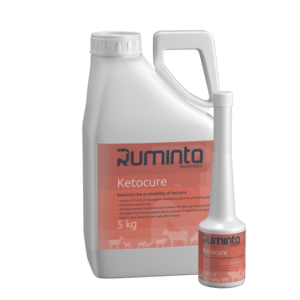
In this context, it is worth paying attention to products such as: Ketocure or Energymax Vit, based on pharmaceutical glycerin. They contain glycerin, which acts as a compound that improves the flavor and consistency of TMR, as well as a source of energy for the rumen and supporting the gluconeogenesis process. Additionally, these products contain propylene glycol, a substance with recognized glucoplastic properties, niacin, which protects liver cells, and vitamins A, D3, and E, which support the regeneration of cows after calving and prevent oxidative stress.
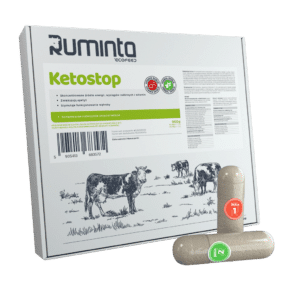
More and more popular?? get? also boluses, incl KetostopThis is a comprehensive solution for the prevention of ketosis in dairy cows. It consists of two boluses – herbal and energy-vitamin. They support energy metabolism, improve appetite, and stimulate liver function. A serving of Ketostop contains as much as 10,000 mg of niacin, which has a direct impact on energy metabolism and supports the liver. Additionally, vitamins A, D3, and E support the regeneration of cows after calving, and sodium propionate is a source of energy, while the mixture