What will you find in the article?
How Cows Give Milk - What Really Triggers Lactation
How cows give milk? Not because they "have milk all the time," but because lactation is initiated by pregnancy and, above all, calving. At the end of pregnancy, the developed mammary gland The calf prepares for labor under the influence of hormones. Prolactin, cortisol, and the drop in progesterone levels just before parturition play a significant role. It is this hormonal change that signals the body to begin producing milk. After parturition, another important hormone is oxytocin, which triggers the flow of milk from the alveoli into the ducts and teats during suckling or milking.
Milk is produced in the udder from substances delivered through the blood. A cow doesn't simply "convert grass directly into milk"—first, the feed is digested, particularly in the rumen, where microflora breaks down nutrients. From these, the body produces energy, protein, fat, and lactose, the basic components of milk. Therefore, nutrition, access to water, metabolic health, and cow comfort have a huge impact on lactation performance. This debunks the popular myth that milk is produced exclusively "in the udder" or that its quantity depends solely on breed. In practice, how cows give milk is best explained by the interaction of hormones, a functioning udder and a well-balanced diet, also supported by solutions used in dairy cow breeding.
Dairy cow nutrition – the key to health and high productivity
This, how cows give milk, largely depends on the quality of the feed. A high-yielding cow needs a ration that simultaneously meets the needs for energy, protein, fiber, vitamins, and minerals, while also maintaining proper rumen function. A well-balanced feed for dairy cows supports fermentation, stable pH and the development of microflora, which translates into better utilization of nutrients and higher milk yieldEqually important is constant access to clean water, as water is the basic component of milk, and its deficiency quickly limits feed intake and production.
Special attention is required the calving period and the beginning of lactation, when the risk of negative energy balance, ketosis or rumen disorders. During this time, well-selected complementary mixtures, energy preparations, boluses, and metabolic support supplements can significantly improve a cow's condition, appetite, and the start of lactation. Solutions developed by Ruminta, based on plant-based ingredients, vitamins, and digestive support, address the most common challenges of this stage. When nutrition supports metabolic health and digestive comfort, not only milk volume increases but also its parameters, including fat and protein content.
From calving to milking – what support helps a cow produce milk without problems?
It is after calving that you can see it best, how cows give milk and what stable lactation depends on. In the first weeks, rapid fluid replacement, rumen support, and maintaining a good energy balance are crucial, as this increases the risk of ketosis, decreased appetite, and decreased performance. Daily monitoring of the cow is also crucial: feed intake, fecal consistency, temperature, activity, and udder appearance. The earlier alarming signals are detected, the easier it is to limit milk production losses and avoid more serious health problems.
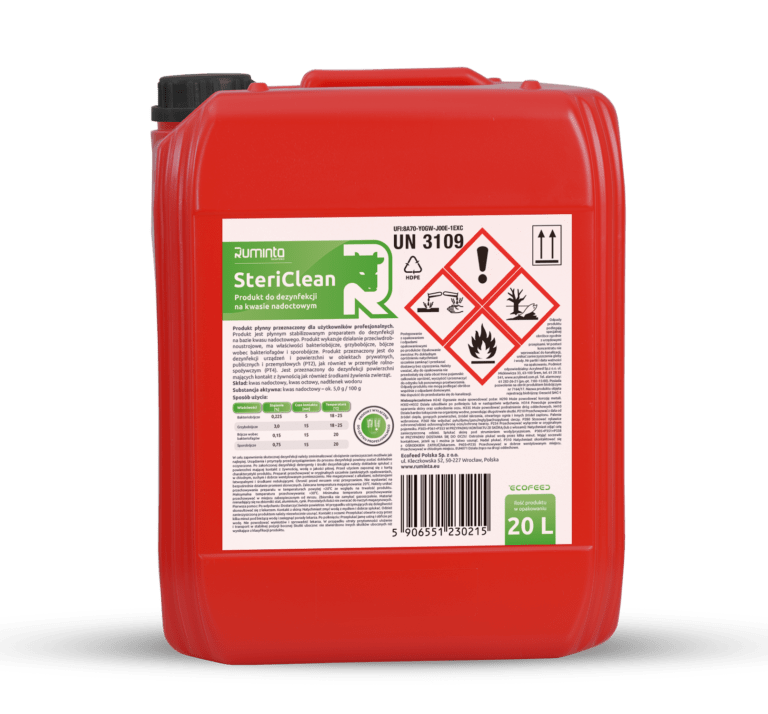
Equally important is milking hygiene and regular udder careClean teats before and after milking, carefully selected disinfectants, and a properly cleaned milking system help reduce microbial pressure and the risk of mastitis. In practice, animal comfort, hoof condition, access to clean water, and the quality of the feed ration also matter, because cow lactation depends not only on genetics but also on well-being. The ruminta.eu brand specializes in such solutions for dairy cows, goats, and sheep, offering preparations that support the post-calving period, energy balance, and hygiene. Products such as Maxdrink, Ketostop Bolus, Energymax Vit, and Iodinedip are consistent with a modern approach to preventative care, which prioritizes rapid response, safe use, and maintaining animal health at every stage of milk production.
Find out more – Click here: https://ruminta.eu/