Mastitis is one of the main causes of cow failure in dairy herds, negatively affecting both the quantity and quality of milk produced. Treatment of mastitis increases veterinary costs and reduces the profitability of breeding.
The primary factor responsible for mastitis are microorganisms that enter the mammary gland through the teat canal. A distinction is made between infectious and environmental microorganisms. Infectious microorganisms, such as Staphylococcus aureus, Streptococcus agalactiae, Streptococcus dysgalactiae and Mycoplasma bovis, are transmitted by infected secretions from the udder quarters via milking cups or the milker's hands. Environmental microorganisms, such as Escherichia coli, Klebsiella pneumoniae, Enterobacter aerogenes, Serratia sp., Proteus sp., Pseudomonas sp., coagulase-negative staphylococci, streptococci, yeasts and fungi, are always present in the cow's environment, but multiply intensively under favorable microclimatic conditions.
Lowering of the protective barrier of the mammary gland, which occurs primarily at the beginning of lactation and during drying off, is another factor predisposing to mastitis. The intense metabolic cycle at the beginning of lactation causes exfoliation of the gland's secretory cells, which enter the milk. Liver steatosis and placental retention can also impair the protective properties of leukocytes. Mastitis manifests as swelling, redness, tenderness and soreness of the mammary gland, an increase in the number of somatic cells (SCCs) and physicochemical changes in the milk.
The effectiveness of mastitis treatment depends on the timing of diagnosis and the type of agent causing the infection. Delayed diagnosis can lead to decreased milk production and even total milklessness. Mastitis caused by infectious and environmental factors can take a chronic form, making treatment more difficult and increasing the risk of spreading the infection. Cows with mastitis should be removed from the herd, as antibiotic therapy is often unsuccessful, and a high somatic cell count in milk reduces the sale value of the raw material.
To prevent mastitis, the farmer should observe hygienic practices during milking, control the cleanliness of milking equipment, liners, milkers' hands and towels, and segregate infected cows with the correct milking sequence. Optimizing periparturient nutrition and controlling the cleanliness of bedding are important for the prevention of environmental infections.
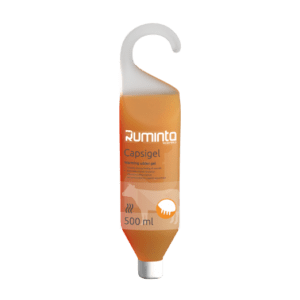
You also need to remember to use appropriate hygiene products before and after milking. Our dipping products are effective and have a high concentration of active substances. The addition of conditioning compounds such as glycerin, eucalyptus oil and calendula improves teat regeneration. The use of udder gels such as Capsigel, Ecogel and Mintgel also helps protect the udder and its care. They are based on natural essential oils which, in the right concentration, help improve udder health. Capsigel is a warming gel based on cinnamomum and chili oils, enriched with camphor. It is recommended for use in the prevention of inflammation and as a support in its treatment. Mintgel, on the other hand, has strong cooling and soothing properties - thanks to the content of peppermint and eucalyptus oils, enriched with the addition of crystalline menthol. It is an ideal product for reducing swelling that occurs after calving and for the prevention of inflammation. The last suggestion is Ecogel-which combines the properties of both of the above products. It is based on oils of eucalyptus and peppermint, enriched with camphor. It is a gel recommended for daily udder care. Massaging the udder can also be beneficial for improving blood flow and reducing the risk of infection.
Prevention is better than cure, so breeders should take preventive measures to eliminate mastitis infections and minimize production losses and treatment costs.