What will you find in the article?
First symptoms you can't miss - how to recognize navel inflammation in calves
Navel inflammation in calves It's an inflammatory condition affecting the umbilical stump and surrounding tissues, which most often develops in the first days of life as a result of bacterial infection. The problem may initially appear harmless, but it quickly progresses to a deeper infection and even leads to involvement of the umbilical vessels or internal organs. This is why daily monitoring of newborns and a prompt response from the breeder are so important.
The most typical symptoms are swollen belly, reddening and clear soreness around the navel when touched. A hard, enlarged or abnormally moist navel should also raise concern. It often appears purulent discharge or serous, and the whole may be accompanied by? unpleasant smell, indicating a developing infection. Some calves also show general symptoms: despondency, less desire to suck, loss of appetite, fever and decreased activity. These are signals that the infection is no longer limited to the navel.
In the context of the phrase navel inflammation in calves treatment It's worth emphasizing that the effectiveness of further actions depends primarily on the moment the first changes are detected. The sooner abnormalities are noticed, the greater the chance of limiting complications and maintaining the calf's good condition. In practice, proper rearing hygiene and the use of proven solutions for caring for and supporting the health of young animals, consistent with a modern approach to preventive care in breeding, are also of great importance.
Effective methods of action - what does it involve? navel inflammation in calves treatment
If your newborn pet develops swelling, redness, soreness, or a wet, foul-smelling navel, navel inflammation in calves treatment Treatment must be started without delay. The first step should be a quick consultation with a veterinarian, as the infection can involve not only the tissues around the navel, but also reach deeper, into the umbilical vessels, and even lead to changes in the joints or internal organs. In practice, the procedure includes a thorough examination of the calf, assessment of temperature, appetite, and hydration, and implementation of appropriate therapy, most often using antibacterial drugs and anti-inflammatory agents, selected for the animal's condition. Local treatment is also very important. navel disinfection It is important to keep the calf's kennel clean and dry to limit the growth of microorganisms. The farmer should check daily to see if the swelling is decreasing, if there is any pus discharge, and if the calf remains active. Pen hygiene, dry bedding, and immune support through proper colostrum feeding and proven feeding and care solutions used in modern breeding are also important. navel inflammation in calves treatment It always requires a quick response, because neglecting the problem significantly increases the risk of serious complications.
Daily Prevention That Really Works – How to Protect Calves from Navel Problems
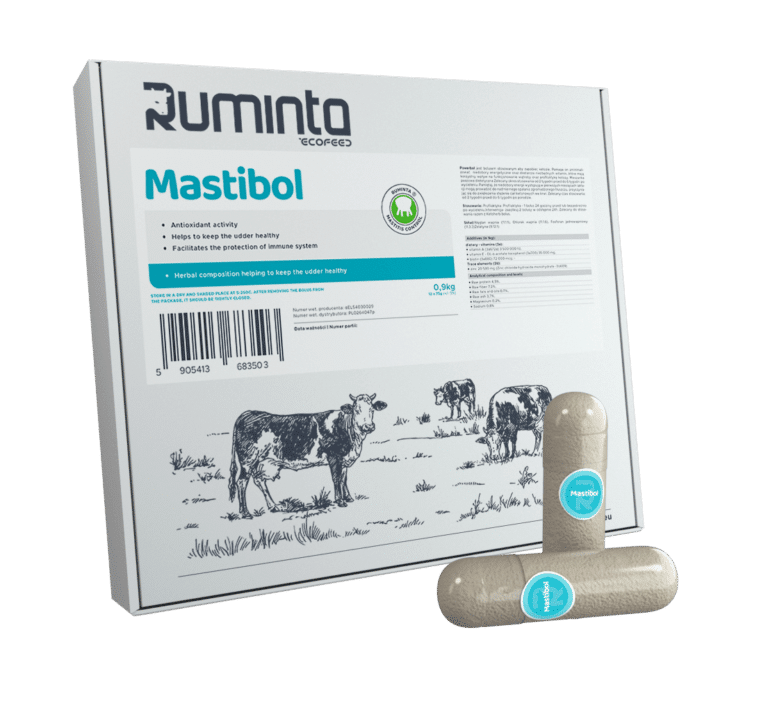
In practice, it is daily prevention that most effectively reduces the risk of having to take navel inflammation in calves treatment. It is crucial hygiene during childbirth: clean hands, disinfected equipment, fresh bedding and a dry playpen as much as possible reduce contact of the umbilical cord stump with bacteria. Immediately after birth, quick navel disinfection, preferably by thoroughly covering the entire stump with a suitable preparation, so as to accelerate its drying and limit the penetration of microorganisms. It is equally important clean and dry environment in the first days of the calf's life, because moisture, feces and dirty bedding favor the multiplication of pathogens and ascending infections. The breeder should also conduct regular observation of calves: check if the navel is swollen, painful, moist, red, or if there is any discharge. A quick reaction to the first irregularities limits the development of inflammation and reduces the need for intensive treatment. In this area, it is worth reaching for safe and effective preparations Supporting breeding hygiene, especially those based on natural ingredients. This direction is also being developed by ruminta.eu, a Polish brand offering solutions for animal health and hygiene that meet the needs of modern farms.
If you want to know more click here: https://ruminta.eu/