What will you learn?
- What does sheep feed really mean and how can you assess whether the feed ration is well balanced?
Sheep feed It's not just one product, but the entire daily ration based primarily on roughage, which is assessed through the lens of dry matter, fiber, protein, and energy. In practice, looking at the feed volume or the name of the mixture isn't enough, because the health and performance of a flock is determined by how many nutrients a sheep actually consumes and utilizes.
- How should sheep nutrition change between the maintenance period, the end of pregnancy and the beginning of lactation?
Ewe nutrition must be tailored to the production phase, as the needs of ewes during maintenance, pregnancy, and lactation vary significantly. At the end of pregnancy and at the beginning of lactation, the ration should have a higher energy and protein concentration, as the animal consumes less water and simultaneously faces an increased burden of fetal development and milk production.
- When do concentrated feeds make sense in sheep nutrition and what role do they play in the flock?
Concentrated feeds are needed when bulk feed alone doesn't meet energy and protein requirements, especially for lactating ewes and during periods of peak production. Their purpose isn't to replace hay, silage, or pasture, but to fill a specific gap where it improves herd performance without unnecessarily increasing costs.
- How can additives such as yeast, probiotics and herbs support sheep nutrition?
Functional additives can support rumen function, fermentation stability, nutrient utilization, and immunity, but they do not replace a well-balanced ration. They are usually most effective during dietary changes, at the start of lactation, during lamb rearing, and when the herd is under stress or variable feed quality.
A well-balanced sheep feed directly impacts the health, fertility, and performance of your flock. Learn how to balance fiber, protein, energy, and minerals, when to supplement pasture, and how to reduce costs without sacrificing performance.
What will you find in the article?
Sheep feed and the balance of the ration: fiber, protein and energy
In practice sheep feed It doesn't mean a single bag of feed or a single universal mixture. It's a daily ration, which for sheep is based primarily on bulk feed, i.e., forage, hay, silage, and pasture. Only then can you add any protein, energy, and mineral/vitamin supplements to this base. If you only look at the product name, it's easy to miss what truly determines the health of the flock: dry matter balance, fiber content, protein level, and energy concentration.
Dry matter and feed intake
The most important starting point is dry matter, which is the portion of the feed that remains after water has been removed. It's the dry matter that accounts for protein, fiber, energy, and minerals. Two feeds may look similar at first glance, but if one has 851 TP3T dry matter and the other 351 TP3T, their actual nutritional value will be completely different. Therefore, it's best to evaluate sheep rations in kilograms of dry matter per day, rather than by volume or the number of portions fed to the trough.
The fiber content of a ration significantly influences how much a sheep can eat. The more difficult-to-digest fiber, the slower the passage of the feed through the digestive tract and the sooner intake becomes limited. On the other hand, with a lower fiber content and better feed digestibility, intake can increase even to 4% body weight. For an animal weighing 70 kg, this theoretically means up to about 2.8 kg of dry matter per day, if the ration is well-balanced and palatable.
This is important because a sheep won't "make up" for a poor ration with appetite alone. If the feed is too bulky, cut too late, or has a low energy concentration, the animal simply won't be able to consume as much dry matter as it needs. This is when body condition declines, poor growth, and reproductive or lactation problems begin.
How much fiber do sheep need?
In a ration for sheep the proportion of crude fibre in the dry matter should normally be in the range 18–35%. This is a broad, but reasonable, range. Fiber is necessary for proper rumen function, chewing, and saliva production, which stabilizes the pH of the chyme. Too little fiber increases the risk of fermentation disorders, while too much limits intake and lowers the energy concentration in the ration.
In practice, sheep raised on good pasture or high-quality hay often stay within the safe range without major problems. The problem begins when the ration is based on old, woody, or low-protein feed. This volume "fills" the feed but doesn't provide enough energy and amino acids. Therefore, sheep feed should be understood as a whole: not only the quantity of fiber, but also its quality and digestibility.
A good warning sign is when the herd has full access to the ration, yet body condition declines, milk production declines, or the lambs grow unevenly. This usually indicates that the ration volume alone does not meet their actual nutritional needs.
How to understand protein and TDN
Protein is a building material necessary for growth, fetal development, milk production, and tissue regeneration. In sheep nutrition, not only quantity is important, but also quality and digestibility. Roughage provides protein, but in more intensive production, it is often insufficient, especially if it comes from late harvest or poor pasture.
On the other hand TDN This is the feed energy index. Simply put, it shows how much of the nutrients the body can actually utilize. The higher the TDN, the greater the energy concentration. This is useful when comparing hay, silage, and concentrates. It doesn't matter much to a sheep whether the feed looks "rich"—what matters is how much energy and protein it actually contributes to the ration.
If you want to properly assess whether a given sheep feed It makes sense to look at four parameters simultaneously: kilograms of dry matter, fiber percentage, protein content, and energy level, expressed for example by TDN. Only such a combination will provide an indication of whether the ration will maintain a healthy rumen and, at the same time, ensure herd performance.
💡 What does TDN and dry matter mean?: It's best to calculate the ration in dry matter, not by the bucket. TDN shows the feed's energy concentration and facilitates comparisons between different components.
How does sheep nutrition change depending on the production phase?
The most common mistake in feeding is treating the entire flock the same. However, the needs of ewes change dramatically throughout the production phase. A ewe simply maintaining body weight requires a completely different ration than the same ewe at the end of pregnancy or in the first weeks of lactation. Failure to take this into account will result in losses not only in production results but also in health and fertility.
Ewes in the maintenance period
For a sow weighing approximately 70 kg, the maintenance period, i.e. without intensive production, means a demand of 1.18 kg of dry matter per day and about 113 g protein. During such a period, the TDN level may be approximately 57,7%. This isn't the time for costly energy overfeeding. A good volume, adequate fiber, and a sensible mineral supplement, if indicated by feed analysis, will suffice.
In practice, this is where it's easiest to overpay. When you feed all your sheep a similarly high ration, excess energy also goes to animals that don't need it. The result is higher feeding costs, an excessively high BCS, and a greater risk of metabolic problems later on.
The end of pregnancy
The final weeks of pregnancy are one of the most challenging times in the entire production cycle. Growing fetuses increase energy, protein, and mineral requirements, while the volume of the abdominal cavity available to the rumen decreases. Therefore, the ewe requires a more concentrated ration because it can physically consume less roughage than before.
If the ration is based solely on mediocre hay or poor-quality forage during this period, problems will quickly arise: decreased condition, poorer fetal development, poorer colostrum after parturition, and subsequent lower milk production. In ewes carrying twins, the risk of nutritional errors is even greater. The latter part of pregnancy is unforgiving of underestimating energy and protein.
In practice, it's worth increasing the quality of the ration, not just its volume. Good hay from an earlier cut, valuable silage, a carefully selected protein component, and a safe mineral mix usually yield better results than adding random meal. This is the stage where sheep feed must be precisely matched to the physiological condition, otherwise the cost of error will appear when rearing lambs.
The first weeks of lactation and rearing twins
The greatest increase in nutritional needs occurs in the first 6–8 weeks of lactation. For a 70 kg sow the requirement increases to approximately 2.49 kg dry matter per day and about 332 g protein, and the energy concentration should reach approximately 65.5% TDN. If a sheep is rearing twins, the protein requirement may increase to approximately 416 g per day.
This demonstrates the scale of the difference. Between maintenance and the start of lactation, nearly twice as much dry matter and almost three times as much protein are required. If the ration remains at the "normal" level, the body will begin to compensate for the deficit from body reserves. This will then be seen as a rapid decline in condition, lower milk production, slower lamb growth, and greater susceptibility to disease.
This is why the beginning of lactation requires the highest quality feed. Good volume remains fundamental, but with more intensive rearing, it's often necessary to supplement energy and protein with concentrate or a supplementary feed. The goal isn't to "boost" production at all costs, but to meet the needs that already exist biologically.
Pasture and roughage: when they are enough and when they need to be supplemented
In Polish conditions, sheep farming most often operates in the system pasture-alcove. This means that for part of the year, the basis of the ration is grazing, and outside the forage season, feeding is based on hay, silage, and other roughage. While the model itself is economically rational, its effectiveness depends on the quality of the forage, not the grazing itself.
Additionally, in eco-welfare schemes, sheep should have grazing or access to a run for at least 120 days a year. This is important for welfare and cost, as pasture forage can be the cheapest bulk feed. However, it cannot be assumed that every grazing operation will automatically meet the herd's nutritional needs.
Pasture quality and the real value of the dose
A pasture with a high density of valuable grasses and legumes can provide plenty of energy, protein, and highly digestible fiber. The problem occurs with poorer, over-dried, late-harvested, or mineral-deficient pastures. In such cases, the forage becomes watery or fibrous, and its nutritional value decreases.
In practice, two grazing plots can produce dramatically different results. In one, lambs will grow evenly and ewes will maintain their condition. In the other, milk yield will decline and ewes will be more susceptible to deficiencies. Therefore, sheep feed based on pasture requires observation not only of the sward, but also of the animals: intake, growth rate, BCS and faecal quality.
When volume alone isn't enough
Volumetric feed is usually insufficient in three situations: first, when its quality is average or poor. second, when animals are in a period of high demand, such as late pregnancy, early lactation, or during intensive lamb rearing. third, when the pasture or preserved feed is deficient in minerals and trace elements.
In such cases, it may be necessary to supplement the ration with an energy-protein concentrate and a mineral-vitamin mixture. Without this, milk and meat yields begin to decline, and the farm loses economic profit. This is a false saving: you'll spend less on feed today, but you'll lose more in the future due to poorer growth, poorer rearing, and health problems.
The role of concentrated feed in more intensive production
Concentrated feeds make sense when they address a specific deficiency. They can increase energy concentration, provide higher-quality protein, and improve ration balance during peak production times. This is particularly true for lactating ewes and lambs, which require highly digestible nutrients.
This doesn't mean, however, that all intensification is good. Excessive amounts of high-energy feed fed to the entire herd without dividing them into groups usually result in wasted money on the one hand, and an increased risk of metabolic disorders on the other. It's better to choose a smaller amount of concentrate, but precisely where it will actually be effective.
Mineral Supplementation Without Mistakes: Copper, Premixes, and Analysis
Minerals determine immunity, fertility, hoof health, enzyme function, and the quality of lamb rearing. Despite this, supplementation in many flocks is still based primarily on habit. This is a risky approach, as sheep are a species sensitive to both deficiencies and excesses of certain minerals. This is particularly true for copper.
Copper – the most common risk in supplementation
Sheep are much more sensitive to copper than cattle or goats. The problem is that this element can accumulate in the liver for extended periods without obvious clinical symptoms, and then lead to an acute crisis. Levels above approximately 20 mg copper per kg of feed may be risky and the concentration above 150 mg/kg liver indicates chronic poisoning.
In practice, problems often arise from using the wrong formula intended for another species, such as cattle. This is a classic mistake. The label may look professional, but if the product isn't intended for sheep, the copper level may simply be too high. Therefore, any supplementary formula should be tailored to the species and category of animal.
Other components also influence the copper economy, especially molybdenum i sulfur. It's not just about the number of milligrams of copper, but also about the entire set of mineral relationships within the dose. This is another reason why supplementing "by eye" is rarely a good solution.
Analysis of feed and mineral status of the herd
Before adding a premix, it's best to check what's already in the ration database. Analyzing hay, silage, or forage allows you to assess not only protein and energy, but also selected macronutrients and micronutrients. If health problems or chronic deficiencies are suspected, it's worth further assessing the animals' condition based on laboratory tests or post-mortem examinations.
On many farms, pasture and forage mineralization is still not systematically monitored. This means that dosage adjustments are made only when visible symptoms appear: poorer reproduction, lower immunity, decreased growth, or deterioration in coat quality. This model is more expensive than data-driven prevention.
Well chosen sheep feed It should therefore be based on facts: the quality of the volume, the production phase, body weight, and analysis results. Then, the supplement isn't a "just in case" expense, but a tool to address a specific deficiency.
How to read premix and mix labels
The label will primarily provide information about the product's intended use, composition, mineral additive levels, and recommended dosage. The key questions are simple: is the mixture intended for sheep, for which technological group, how much copper, selenium, zinc, and vitamins it contains, and in what quantities it should be fed? Equally important is the quality of documentation and compliance with regulations regarding supplementary feed.
It's worth choosing certified and clearly described solutions. This reduces the risk of error in everyday use. If the manufacturer provides precise recommendations, composition, and intended use for small ruminants, it's easier to safely tailor supplementation to the herd than with generic products with very broad descriptions.
⚠️ Be careful with copper in mixtures: Sheep do not tolerate excess copper well. A cattle premix or an inappropriately selected mixture can lead to chronic poisoning.
Additives supporting the rumen and immunity: probiotics, yeast, herbs
Modern sheep nutrition doesn't end with protein, energy, and minerals. Supplements that support rumen fermentation stability, gut health, and immunity are playing an increasingly important role. These don't replace a well-balanced ration, but they can be a real help when the flock is under production pressure, feed changes, environmental stress, or rearing young animals.
Yeast, probiotics and enzymes
Feed yeasts support the rumen environment and help stabilize fermentation, especially in higher-energy rations. Probiotics have a beneficial effect on the intestinal microflora, which is particularly important in lambs and lactating ewes. Enzymes, in turn, can improve the breakdown of certain feed fractions and increase nutrient utilization.
The practical benefit is that you'll better utilize the protein and energy already present in the ration. This is especially important when relying on roughage of variable quality. Well-chosen additives can reduce nitrogen losses, improve ration palatability, and support regular feed intake, which directly translates into health and performance.
They usually make the most sense at critical times: during dietary changes, at the start of lactation, during lamb rearing, and when digestive stability is compromised. They aren't a miracle solution, but as part of a broader nutritional strategy, they can have a noticeable effect.
Plant extracts and essential oils
In recent years, there has been a growing interest in supplements based on natural ingredients, such as herbs, plant extracts, and essential oils. Their role is primarily to support appetite, digestive comfort, immunity, and overall well-being of animals. This is a particularly interesting solution for breeders who want to enhance nutritional prevention without resorting to random mixtures with unclear compositions.
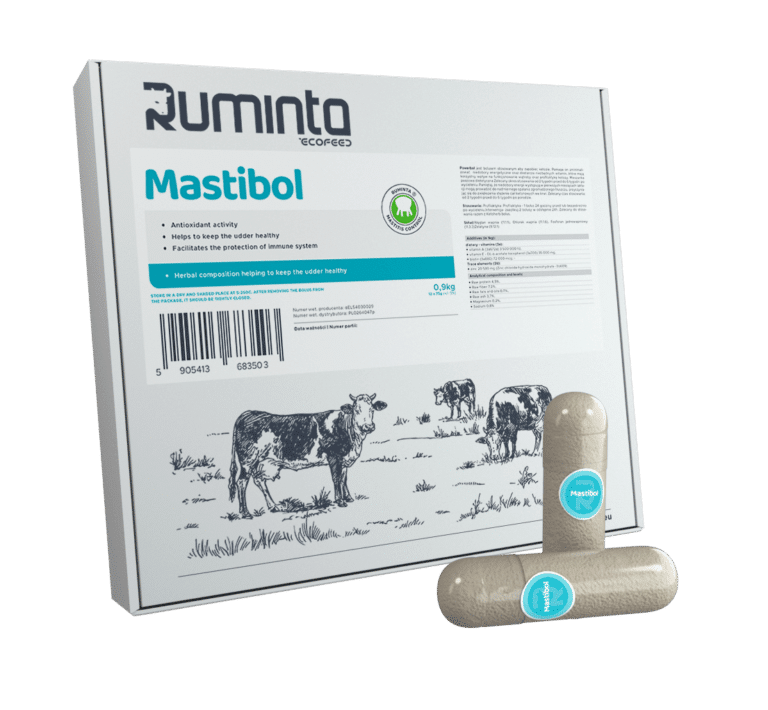
There are supplementary feed mixtures and preparations available on the market that align with this trend, also based on high concentrations of vitamins and plant components. When choosing them, however, it's important to maintain the same standards of evaluation as with any other supplement: composition, intended use, dosage, and safety of use in sheep.
How to reduce feeding costs without losing herd performance
The economics of sheep feeding isn't about spending as little as possible on feed. It's about ensuring that every penny in the ration contributes to the herd's performance. The biggest loss of money is usually not the high price of good feed, but rather poor nutrition: excess energy where it's not needed and deficiencies where it costs the most.
Division of the herd into feeding groups
The simplest way to improve profitability is to divide the flock into feeding groups. The minimum is four groups: ewes in maintenance, ewes in late pregnancy, ewes in lactation, and lambs. This division allows for better feed and more expensive supplements to be directed precisely where they will generate a return, rather than spreading the cost evenly across the entire flock.
If all sheep are fed the same ration, the sheep in the care setting are usually overfed, while those at their peak are underfed. This is a double loss. That's why a well-chosen diet sheep feed should be differentiated depending on the technological group, and not averaged for ease of use.
Effect control and dose correction
Even the best planned dose requires monitoring in practice. It's worth regularly assessing BCS, such as body condition, monitoring dry matter intake, analyzing manure quality, tracking lamb growth and milk production if you're a dairy farmer. These metrics quickly reveal whether a ration is working or just looks good on paper.
When adjusting the dose, follow a simple procedure: first, check the quality of the volume, then the energy and protein balance, and finally, select supplements and functional additives. This way, you don't mask the underlying problem with an expensive product. This is especially important towards the end of pregnancy and at the beginning of lactation, when errors are most likely to occur.
The following checklist organizes actions that actually help reduce costs without sacrificing results:
- order analysis of hay, silage or green fodder at least for the main feed batches,
- divide the herd into feeding groups according to the production phase,
- check the BCS of ewes before farrowing and in the first weeks of lactation,
- observe the actual feed intake, not just the amount fed to the feeding table,
- select supplementary mixtures exclusively for sheep and check the copper level,
- Include rumen support supplements only where they solve a specific problem,
- Adjust the dose based on the herd's performance, not on the habit from the previous season.
✅ Don't feed the whole herd the same: Divide the sheep into groups: maintenance, late pregnancy, lactation, and lambing. This is usually the quickest way to reduce feed waste and improve performance.
Frequently asked questions
What is the best everyday feed for sheep?
How much protein does a sow need?
Can sheep only eat grass from the pasture?
Why is copper dangerous to sheep?
When is it worth taking a mineral and vitamin supplement?
How do you know if the dose is unbalanced?
Well balanced sheep feed It starts with the quality of the forage, but the herd's performance is also determined by the production phase, minerals, and ongoing monitoring of the results. Basing your feeding on analysis, observation, and grouping of the herd will help you maintain animal health without unnecessary costs.
Find out more – Click here: https://ruminta.eu/