What will you find in the article?
How long is a cow pregnant – learn the specific length and the most important differences
If you are wondering, how long is a cow pregnant, the shortest and most accurate answer is: on average about 280–285 days, i.e. more or less 9 monthsIn practice, however, the calving date may be earlier or later because length of cow pregnancy is not identical in all animals. The physiological range is usually considered to be approximately 270 to 290 days, although the specific date depends on several important factors. Breed is crucial – dairy and beef cows can vary in gestation length, as can individual breeding lines. The sex of the calf also plays a role, as the gestation period for a bull calf is sometimes slightly longer than for a heifer calf. The age and condition of the female calf also matter: heifers and older cows may calve at a slightly different time than fully mature animals that are well prepared for calving. The following factors also play a role: maintenance conditions, nutrition, stress levels, and overall well-being, so a breeder should not treat the calculated date as a fixed point. It's best to base the countdown on the exact day of insemination or mating, but also carefully monitor for signs of approaching parturition, such as udder engorgement, loosening of pelvic ligaments, or behavioral changes. Regular monitoring, supported by appropriate nutrition and perinatal prophylaxis, provides the best preparation for a safe calving.
What influences a cow's pregnancy - surprising factors worth knowing
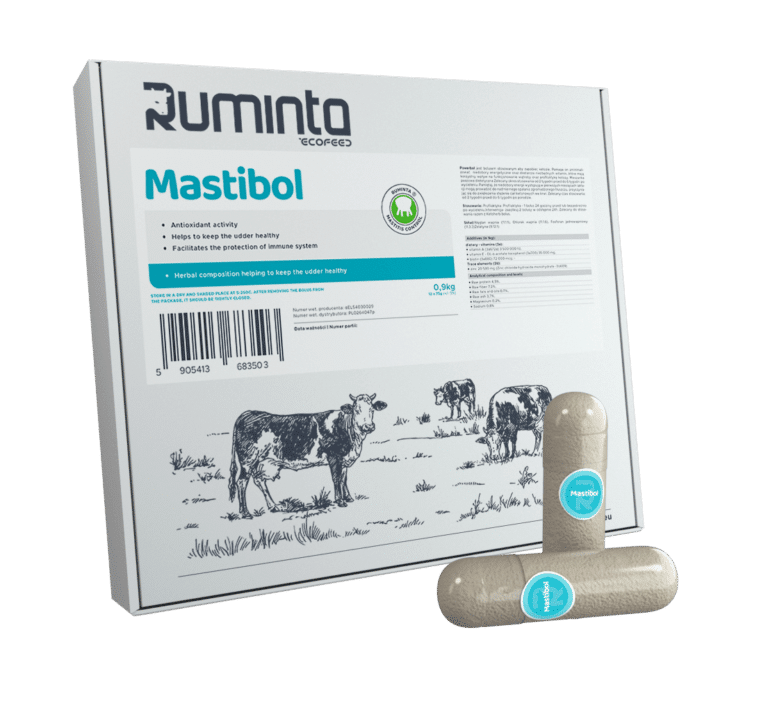
When we wonder, how long is a cow pregnant, it's worth remembering that the duration of pregnancy is only part of the picture. Equally important is its course, which is influenced by several seemingly simple but crucial elements. Of great importance is cow nutrition – the feed ration should provide adequate amounts of energy, protein, minerals, and vitamins, without overfeeding, which increases the risk of difficult calving and metabolic disorders. cow condition: an animal that is too thin or fat will have a harder time coping with pregnancy and the period around calving. It is also important stress in cows, caused by overheating, crowding in the barn, frequent group changes or noise, because it increases cortisol levels and can weaken the immune system. That's why regular preventive health care, checking the hooves, udder and metabolic status, as well as a quick response to the first signs of problems. An important role is also played by living conditions of cows – clean bedding, good ventilation, constant access to water, and a safe substrate. In modern breeding, well-chosen nutritional and care supportThe ruminta.eu brand offers solutions that support cow health at various stages of milk production, especially around calving, when the animal's body is most stressed.
How to recognize impending calving – key symptoms and practical tips for the farmer
Although the question how long is a cow pregnant most often appears when planning the date of delivery, it is equally important to detect signals that calving is approaching in the next few hours or days. Most cows show a gradual udder swelling, teats filling and loosening of the tail base area resulting from weakening of the pelvic ligaments. The vulva becomes swollen and elongated, and a stringy, transparent or slightly cloudy discharge appears from the genital tract. mucusThe animal's behavior also changes: the cow becomes restless, stands up and lies down more often, moves away from the herd, looks at its belly, eats less willingly, and seeks a quiet place.
During this period, it is worth preparing a clean, dry, and well-bedded site and conducting more frequent observations, especially at night. childbirth hygiene and cleanliness of equipment, as this reduces the risk of infection in the cow and calf. If contractions are strong but labor is not progressing, abnormal fetal positioning is visible, or the cow weakens rapidly, a quick response and contact with a veterinarian is necessary. After giving birth, it is worth taking care of post-calving support, hydration and energy restoration, as well as udder hygiene and cow well-being. It is in this area that the solutions offered by ruminta.eu find practical application, supporting the breeder during the period around calving and in subsequent milk production.
If you want to learn more click here: https://ruminta.eu/