The last weeks of pregnancy and the first weeks of lactation are a crucial period for high-yielding cows, because during this time the body's demand for nutrients increases, which can lead to serious diseases.
The perinatal period encompasses the last three weeks of the dry period and the first three to four weeks of lactation. During this time, intensive physiological changes occur, such as preparation of the mammary gland for lactation and increased fetal weight, which can reduce the body's immunity. Perinatal conditions can be divided into two groups. The first group involves vitamin and mineral deficiencies, and the second group involves an imbalance in energy and protein intake.
The most common conditions associated with vitamin and mineral deficiencies are hypocalcemia and retention. Symptoms of these conditions can occur within the first 12-72 hours after calving, as well as several days before. Hypocalcemia has three stages of symptoms, which include an unsteady gait, difficulty rising, and flaccid paralysis. Excessive sodium and potassium in the diet during the dry period and changes in the body's calcium and phosphate metabolism are the main causes of these conditions. Deficiencies of calcium, selenium, and fat-soluble vitamins also frequently accompany them. Ketosis is one of the main conditions resulting from an improper nutrient balance. Its symptoms often appear in the last 10-14 days before calving. High body condition in dry cows leads to reduced feed intake, which results in excessive fat mobilization. This, in turn, leads to increased levels of unsaturated fatty acids in the blood, which can lead to conditions such as lameness and ovarian dysfunction.
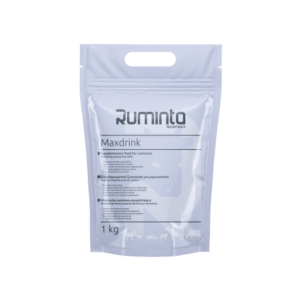
To protect cows from perinatal conditions, it is important to provide a balanced feed ration that will replenish nutrient deficiencies. However, increased estrogen levels before and after calving result in reduced feed intake in the first days after calving. During this time, a large amount of colostrum is also produced, containing nutrients, minerals, and vitamins. To prevent hypocalcemia, placental retention, and placenta retention, post-calving milk supplements are used. Maxdrink Ruminta is one such product. It contains a special composition of ingredients that accelerates the body's regeneration and supports metabolic functions. The content of minerals and easily digestible calcium restores electrolyte balance, and the presence of vitamins improves the immune system and prevents conditions such as detention The product also contains yeast, which stimulates appetite and stabilizes rumen microflora. Maxdrink's flavor is tailored to cows' taste preferences, which contributes to its eager consumption. Using the product immediately after calving helps to effectively fill the rumen and protects cows from dangerous abomasum displacement.