What will you find in the article?
When cesarean section in a cow becomes a necessity – the most important warning signs
Cesarean section in a cow is a surgical procedure involving the extraction of a calf through an incision in the abdominal wall and uterus, performed when vaginal delivery is impossible or too risky. It most often becomes necessary when abnormal position of the fetus, for example, when the calf is twisted, positioned transversely, or the limbs enter the birth canal without the head. A common indication is also too large fetus, especially in heifers, when the proportions of the calf and the mother's pelvis prevent safe calving. The procedure is also considered when problems with the birth canal, such as insufficient cervical dilation, stenosis or injuries that complicate delivery.
The alarming signal is no progress in labor despite clear contractions, as well as prolonged recumbency, weakness, severe pain, or signs of exhaustion. Time is of the essence, as prolonged labor increases the risk of calf hypoxia, tissue damage, and maternal infections. Cesarean section in a cow it can also be a life-saving procedure when it occurs threat to the lives of cows and calves, suspected uterine torsion or ruptured genital tract. Prompt observation by the farmer and early consultation with a veterinarian are crucial. The sooner the situation is assessed, the greater the chance of a safe delivery and a more efficient return of the cow to health and production.
What does it look like? cesarean section in a cow – step-by-step procedure
Cesarean section in a cow It is most often performed on the farm or in a properly prepared area where the animal can be calm, clean, and safely restrained. The cow is usually placed in a standing position, the surgical site on the left side of the abdomen is thoroughly cleaned and shaved, and the skin is then disinfected. The veterinarian administers local anesthesia, most often in the lumbar region or at the incision site, so the animal remains conscious but does not feel pain in the surgical area. Strict hygiene is crucial: sterile instruments, gloves, a clean dressing, and limiting contact of the wound with dirt present in the barn.
After making an abdominal incision, the doctor carefully exposes the uterus, opens it, and extracts the calf, taking care to minimize tissue trauma and the risk of infection. The doctor then removes the fetal membranes, assesses the condition of the cow and newborn, and closes the uterus and subsequent layers of the abdominal cavity with appropriate sutures. After the procedure, it is crucial to monitor appetite, temperature, wound healing, and postpartum excrements, as well as promptly administer colostrum to the calf. In practice, the success of this procedure depends on: cesarean section in a cow, is determined not only by the surgical technique and the experience of the veterinarian, but also by good perioperative care, support for the cow's body after calving and attention to hygiene and comfort in the following days.
What is worth knowing after the procedure – cow regeneration and breeding support
After a procedure such as cesarean section in a cow, it is crucial to observe the animal calmly over the next few days. It's important to monitor appetite, body temperature, behavior, defecation, urination, and the appearance of genital discharge. Daily inspections are also essential to ensure the post-operative wound is healing properly and is not excessively swollen, painful, or contaminated. In practice, a clean, dry bedding environment, reduced stress, and a prompt response to symptoms that may suggest inflammation, weakness, or metabolic disorders are crucial.
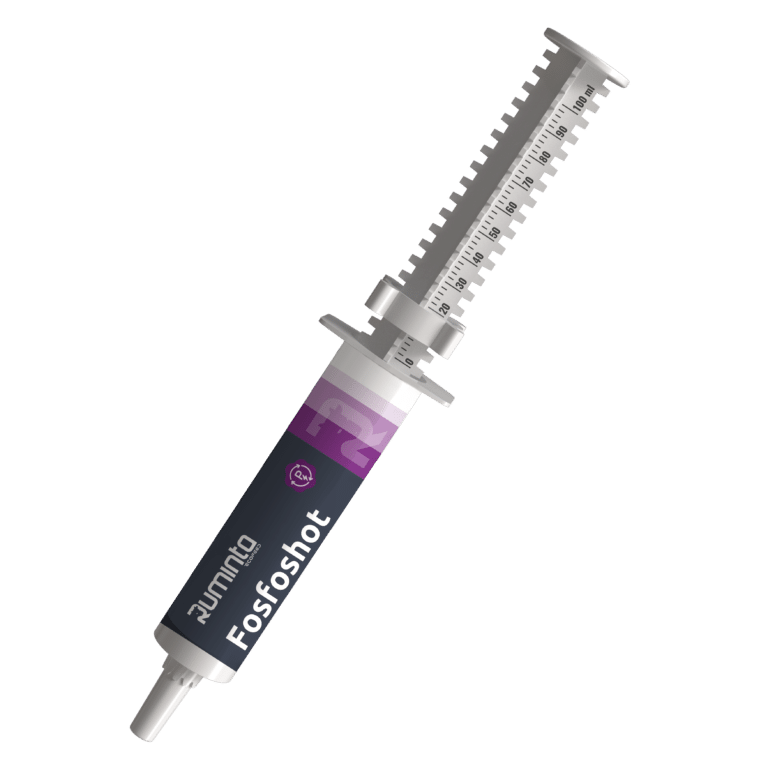
During the recovery period after the procedure cesarean section in a cow It's important to ensure easily digestible nutrition, constant access to fresh water, and adequate hydration, as dehydration and decreased feed intake increase the risk of complications and reduced performance. Carefully selected supplements that support energy, rumen function, metabolism, and overall condition can be especially helpful around calving. In this area, it's worth considering the solutions available at ruminta.eu, where you can find supplements for cows, boluses for cows after calving and preparations to support animals during difficult periods of milk production. Such support, used in accordance with veterinarian recommendations and the needs of the herd, can help reduce the risk of ketosis, energy loss, and postpartum-related problems.
Find out more – Click here: https://ruminta.eu/