What will you find in the article?
Calf colic symptoms – what signals should immediately alarm the breeder?
calf colic symptoms This is a topic that shouldn't be ignored, as abdominal pain can quickly weaken a young animal. During daily observation of the herd, the most obvious sign of calf distress is noticeable: the animal frequently changes position, paces nervously, repeatedly lies down and then stands up again, as if unable to find a comfortable position. Other characteristic signs include looking at the sides, turning the head towards the abdomen, and kicking the abdominal wall. Some calves develop a tense, distended abdomen, tenderness to the touch, and a clear reluctance to take milk or feed.
Also noteworthy are apathy, lethargy, and reduced natural activity, especially if the calf was previously lively and eager to drink. A worrying symptom may be vocalization, i.e., increased bellowing, which can be a reaction to pain. calf colic symptoms It can also be associated with digestive disorders, nutritional errors, a sudden change in feeding, or gastrointestinal problems, so quickly detecting the first signs is crucial. The sooner a breeder responds and consults about the animal's condition, the greater the chance of reducing dehydration, deterioration, and further health complications.
The most common causes of colic in calves - where do digestive problems in breeding come from?
calf colic symptoms very often they are caused not by a single factor, but by several overlapping errors. In young animals, the digestive system is still immature, so it reacts poorly to nutritional errors, irregular feeding or too large portions of milk. The problem also appears when sudden change of feed or milk replacer when the digestive tract does not have time to adapt. Watering technique is also important: watering too quickly promotes swallowing excess air, which can increase flatulence, abdominal pain, and restlessness in the calf. The risk also increases when milk or formula is served at an inappropriate temperature, too cold or too hot, which disrupts digestion and passage of food. Common causes also include stress, transport, change of environment, weakness after childbirth and dehydrationwhich worsens intestinal function. Infections, microflora disorders and temporary gastrointestinal disorders, leading to fermentation and gas accumulation. That's why prevention, a consistent feeding regimen, and well-balanced support are so important in breeding. Brands developing specialized nutritional solutions and gut support products, such as ruminta.eu, help reduce the risk of digestive problems in calves.
Effective response in breeding – what to pay attention to at the first symptoms of colic
When they appear calf colic symptoms, the quick and calm reaction of the breeder is crucial. First, it is worth assessing the general condition of the animal: whether the calf is lethargic, stops suckling, frequently lies down and gets up, checks its belly, grinds its teeth, or has tense abdominal walls. It is very important quick assessment of the calf's condition, because digestive problems in young animals can quickly lead to weakness and dehydration. It is necessary to check whether the calf is drinking milk or water, and also monitor fluid collection in the following hours. At the same time, you should observe feces – its consistency, frequency of urination and the possible presence of mucus, foam or blood, as diarrhea and colic often occur together.
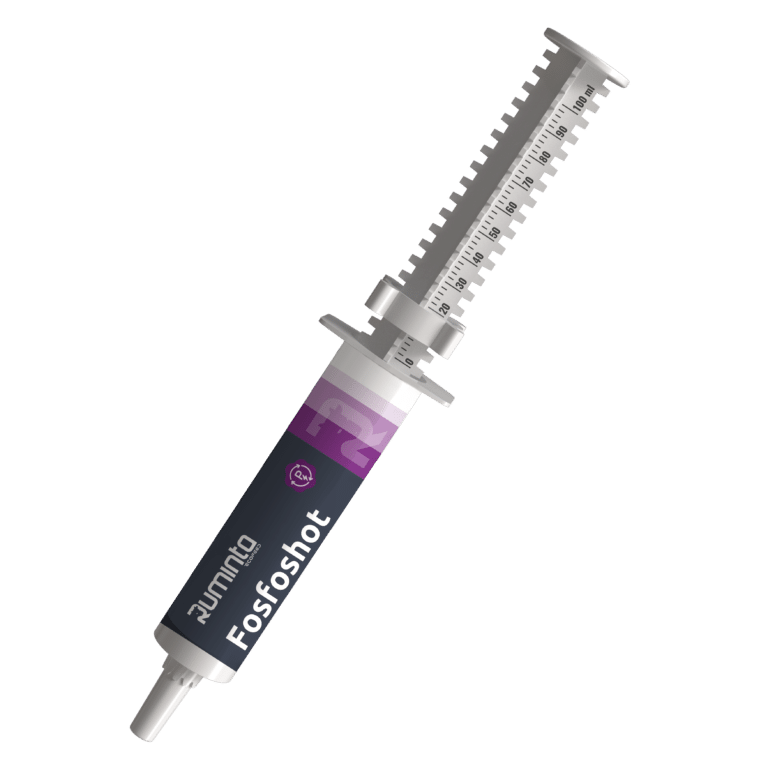
It is also important checking maintenance conditions: temperature in the pen, quality of the bedding, hygiene of the waterers and buckets, and freshness of the feed or milk replacer. Support for the organism should be based on hydration and replenishment electrolyteswhich help reduce the effects of water and mineral loss. In breeding practice, they are also useful antidiarrheal preparations and protecting the digestive tract. ruminta.eu offers solutions in convenient forms, such as powder, liquid, paste, or syringe, making it easy to adjust the dosage to the animal's age and condition. If symptoms worsen, including severe bloating, lack of sucking, apathy, fever, or rapid dehydration, medical intervention is necessary. contact with a veterinarian, because delay may worsen the prognosis.
If you want to learn more click here: https://ruminta.eu/