What will you find in the article?
What do sheep eat in winter – the most important rules of feeding in cold weather
What do sheep eat in winter?? During cold weather, their diet differs significantly from that of summer, as the animals no longer use pasture, and their bodies must expend more energy to maintain a constant body temperature. The basis of the diet should be good quality bulk feed, primarily hay, haylage and properly prepared silageThey provide the fiber necessary for proper rumen function, while also supporting dry matter intake and digestive stability. In practice, feed quality is crucial: it must not be moldy, overcooked, or contaminated, as nutritional deficiencies can quickly impact the herd's condition in winter.
Low temperatures increase energy requirements, so the ration for sheep should be well-balanced in terms of nutritional value. More demanding groups, such as ewes in late pregnancy and lactation, often require supplementation with vitamins and minerals and metabolic-boosting supplements. In line with the Ruminta brand's approach, supporting immunity and well-being through natural ingredients and safe nutritional solutions is crucial. It's also important to remember that what do sheep eat in winter it is not only feed, but also constant access to clean, unfrozen water, because its deficiency limits food intake, worsens digestion and may reduce animal productivity.
What feed and additives to choose – effective support for sheep health in winter
In winter, when access to green fodder is limited and the animal body uses more energy to maintain warmth, the importance of supplementary feed for sheep, well-balanced minerals and concentrated vitamins. If you're wondering, what do sheep eat in winter, it's worth remembering that roughage alone doesn't always meet the increased demand for energy, trace elements, and immune-supporting ingredients. Carefully selected supplements help maintain proper rumen function, condition, appetite, and better utilization of the feed ration.
In practice, they are of great importance vitamins for sheep in winter, especially A, D and E, as well as selenium, zinc, copper and magnesium, which support the immune system, muscles, fertility and the condition of the skin and hooves. Preparations based on natural ingredients, such as plant extracts, herbs, and essential oils, as they can support digestion, gastrointestinal microflora, and immunity during periods of increased environmental stress. Highly concentrated formulas are particularly useful when rapid and precise supplementation is needed.
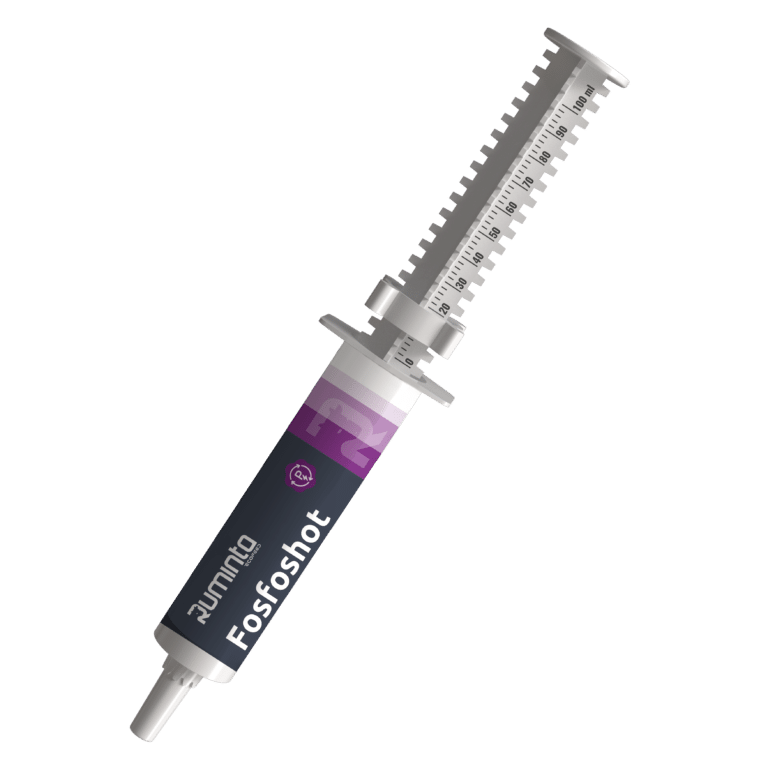
Modern solutions, administered in convenient powder, liquid, paste, or bolus forms, also work well in feeding small ruminants. This is especially important in herds where effectiveness and ease of use are key. In this area, it's worth noting the experience of ruminta.eu, a brand developing supplements for sheep and goats using natural ingredients and highly concentrated vitamins, supporting the health, immunity and performance of animals during the demanding winter season.
What to watch out for in winter – feeding errors that weaken the herd
In winter, when the pasture ceases to be the basis of the ration, the question what do sheep eat in winter becomes crucial for the health of the entire herd. The most common mistake is energy deficiency, especially in pregnant and lactating ewes, which have higher maintenance requirements in cold weather. Too low a dose promotes weight loss, lethargy, decreased milk production and increased susceptibility to metabolic diseases. Equally dangerous is too little fiber, because it stabilizes the rumen, supports rumination, and reduces the risk of acidosis. When the diet is dominated by concentrated feed or poorly balanced silage, flatulence, diarrhea, decreased appetite, and uneven stools may occur.
The problem is also low-quality feed – moldy hay, poorly stored haylage, or contaminated straw reduce intake and increase the risk of digestive disorders and weakened immunity. mineral and vitamin supplementation, especially selenium, vitamin E, calcium, and trace elements, deficiencies of which worsen condition, fertility, hoof condition, and woolly coat. Warning signs include weight loss, dull wool, decreased mobility, coughing, more frequent diarrhea, and poor lamb rearing results. Therefore, nutritional prevention is of great importance in winter: good feed analysis, constant access to water, and carefully selected additives supporting energy, rumen microflora, and immunity help reduce losses. In practice, they also work well modern preparations supporting animal welfare, based on vitamins, energy ingredients and natural extracts, in line with the direction developed by the Ruminta brand.
If you want to learn more click here: https://ruminta.eu/