What will you find in the article?
Ewe giving birth – how to recognize the most important signals and prepare the stand properly
Approaching sheep giving birth It can usually be recognized by several distinct changes. The female becomes restless, stands up and lies down more frequently, separates from the flock, seeks a quiet spot, may rummage in the litter, and looks at her belly. Physical signs are also visible: an enlarged and tense udder, loosening of the tail ligaments, swelling of the vulva, and the appearance of mucus. Some sheep experience a decrease in appetite shortly before lambing, but they should have constant access to fresh water. When contractions become regular and the ewe is clearly pushing for labor, it's worth observing her without unnecessary stress.
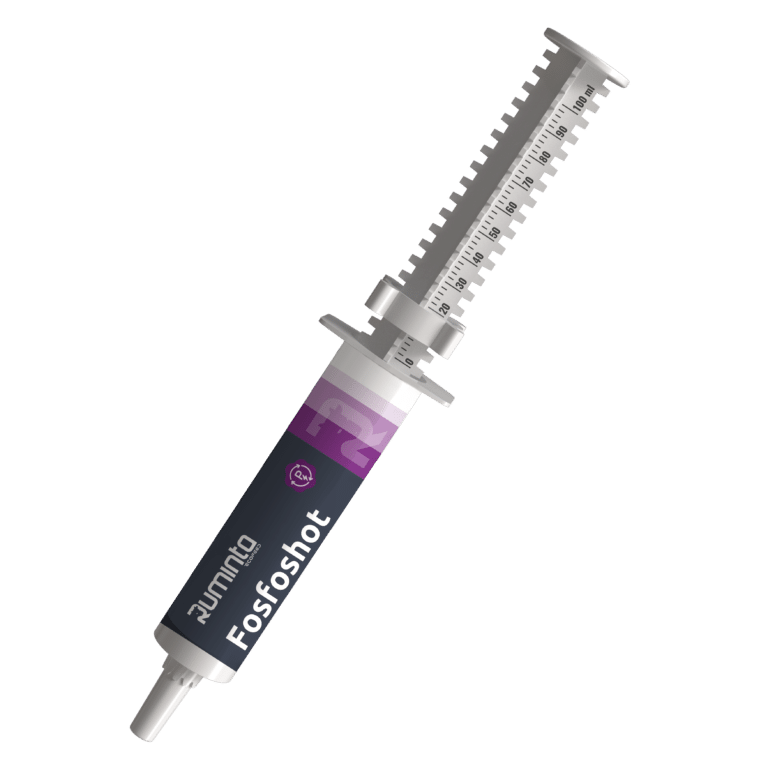
A well-prepared stand for sheep giving birth It should be clean, dry, protected from drafts, and quiet. A separate lambing pen with thick, fresh bedding, changed regularly to limit the lamb's contact with moisture and microorganisms, is best. Hygiene is crucial, as is washing your hands beforehand and having clean towels, navel disinfectant, disposable gloves, lubricant, a maternity cord, and the vet's number. Safe hygiene and care products that support sheep well-being, consistent with the approach promoted by Ruminta, are also useful in breeding practice. This organized area facilitates rapid intervention if sheep giving birth is not proceeding properly.
Sheep Birthing – When to Help and When to Let Nature Take Its Course
Sheep giving birth It usually goes smoothly if the female is healthy, well-fed, and is kept under careful observation. The first stage usually lasts from 2 to 6 hours, although in primiparous mothers it can extend to 8 hours. The ewe becomes restless, stands up and lies down, seeks privacy, may scratch the litter, and the vulva swells slightly. During this time, the farmer should primarily observe and provide a clean, dry place for lambing. The second stage is the proper sheep giving birth and expulsion of the lamb, usually within 30–60 minutes of the onset of strong contractions and the amniotic sac. Normally, the two forelegs and the head between them are visible first. If the ewe pushes vigorously for more than 30 minutes without progress, only one leg, only the head, hind limbs without a tail are visible, or the lamb is stuck, a quick response is necessary. The third stage involves expulsion of the placenta, usually within 2–6 hours of birth. At this stage, the fetal membranes should not be pulled. Clear signs of weakness, a lack of contractions despite the onset of labor, heavy bleeding, an unpleasant-smelling discharge, or the suspicion that another lamb remains in the uterus also require urgent veterinary consultation. After lambing, check whether the lamb is breathing and whether the ewe is interested in the offspring and is standing up.
Ewe Birthing – Effective Post-Labor Care for Mother and Lamb
Right after it ends sheep giving birth, the most important thing is to quickly check the lamb's condition. It's important to clear the nostrils and muzzle of mucus, check breathing, and, if necessary, gently encourage the lamb to take its first breaths. It's also very important to thoroughly dry the lamb, especially in cold weather, as this reduces the risk of hypothermia and helps to restore proper circulation. If the ewe licks the lambs herself vigorously, this not only promotes drying but also bonding and recognition of the offspring.
In the first hours after birth, colostrum is crucial. The lamb should receive it as quickly as possible, ideally within 1-2 hours, as this is when it most effectively absorbs antibodies that support immunity. At the same time, it's important to observe the mother's behavior: whether she stands up, shows interest in the lamb, allows suckling, and for any signs of weakness, retained placenta, or severe pain. sheep giving birth It also places a significant metabolic burden, so after lambing, access to clean water, good feed, and regenerative and hydration support is crucial. In breeding practice, proven supplements that support animal fitness, energy, and immunity can be helpful. These are offered by brands specializing in solutions for small ruminants, such as ruminta.eu, which offers supplements, electrolytes, and products supporting the well-being of sheep and goats.
Find out more – Click here: https://ruminta.eu/