What will you find in the article?
The calf is lethargic – what could be the reasons for the sudden change in behavior?
When the calf is lethargic, this should not be treated as a "bad day", but as an important signal that something abnormal is happening in the animal's body or environment. Calf's lethargy It is not a disease in itself, but a symptom that can accompany many problems. One of the most common causes is diarrhea, which leads to rapid loss of water and electrolytes. As a result, dehydration in calves, apathy, weakened sucking reflex, and less willingness to get up. Bacterial, viral, or parasitic infections, including those associated with fever or respiratory tract infections, are also often responsible for the sudden change in behavior. nutritional deficiencies, especially too little energy, vitamins and trace elements, and in newborns also problems with collecting colostrum at the right time and in the right quantity. Such a calf has weaker immunity and is less able to cope with microbial pressure. The condition is also influenced by stress in calves, related to transport, change in diet, overcrowding, or separation from the mother. Environmental conditions cannot be ignored: too low temperature, drafts, and humidity increase the risk of hypothermia and a decrease in activity. If the calf is lethargic, the breeder should quickly assess milk and water intake, the appearance of feces, body temperature and general behavior, because a quick reaction often determines the effectiveness of further treatment.
The calf is lethargic – what warning signs should you pay special attention to?
When the calf is lethargic, it is worth immediately assessing whether apathy is accompanied by other disturbing symptoms. It is particularly important lack of appetite i reluctance to drink, because in young animals they quickly lead to dehydration and a drop in energy. It also looks alarming retention, difficulty in getting up and significant weakness. In the youngest calves, it is of great importance weakened sucking reflex – If the animal is not receiving enough colostrum or milk, it requires careful monitoring. The following may also indicate a worsening condition: sunken eyes, dry nose and inelastic skin, which often indicates fluid loss.
Changes in stool should not be ignored. Loose stool or diarrhea, especially when combined with lethargy, increases the risk of rapid deterioration of the body. Equally important is rapid breathing, cough, nasal discharge or noticeably heavier breathing, as these may suggest a developing respiratory problem. It is also necessary to monitor body temperature – both elevated and decreased levels may indicate a condition requiring urgent action. In breeding practice, speed of action is crucial: the sooner the breeder notices that the calf is lethargic and combine this symptom with lack of drinking, diarrhea or change in breathing, the greater the chance of effectively supporting the calf, balancing the water and electrolyte balance and limiting the development of more serious health problems.
The calf is lethargic – how to wisely support the health of young animals on a daily basis
When the calf is lethargic, very often, its condition is determined not only by immediate actions, but above all by daily preventative care. Promptly feeding good-quality colostrum in the appropriate quantity and time after birth is crucial, as it provides antibodies that support immunity in the first hours of life. Proper feeding of young animals is equally important: constant access to clean water, properly prepared milk or milk replacer, and feed appropriate to the calf's age help maintain energy, digestive tract development, and appetite.
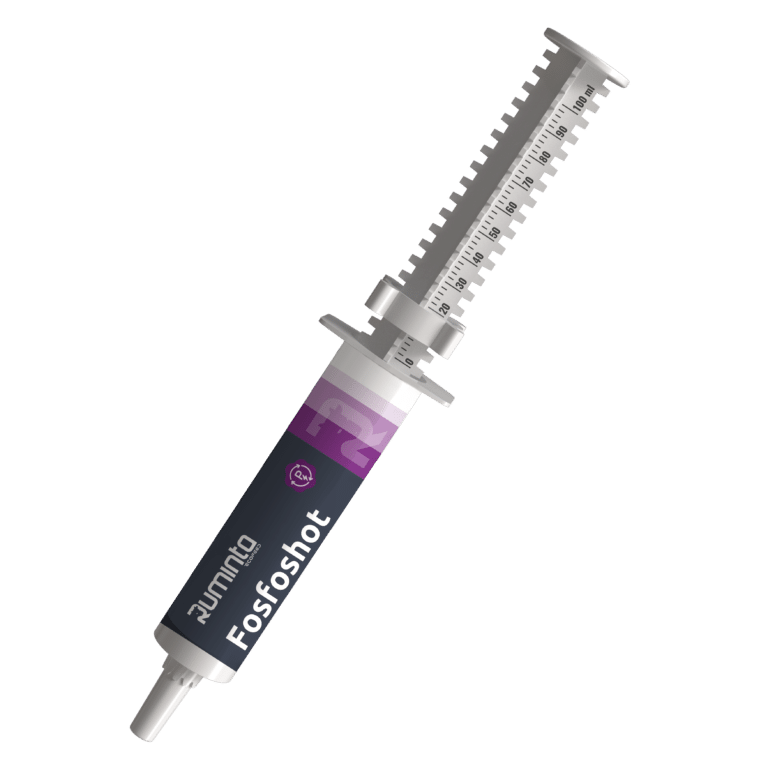
Hydration shouldn't be skipped, as even mild diarrhea can quickly weaken the body. In such situations, supplements can be helpful. electrolyte preparations i antidiarrheal preparationswhich support the compensation of fluid losses and the stabilization of intestinal function. Modern breeding also uses supplements for calves, selected for the rearing period and the current needs of the herd. ruminta.eu offers solutions in powder, liquid, paste, and syringe form, also based on natural ingredients that can support the well-being and condition of young animals.
Hygiene is also crucial. A dry, clean pen, regular bedding changes, disinfection of watering equipment, and limiting environmental stress reduce pathogen pressure. Daily observations allow you to quickly spot the first signs of a problem: weaker sucking, drooping ears, dull eyes, decreased activity, or loose stools. If the calf is lethargic, a quick reaction from the breeder often helps to reduce the risk of the condition worsening and shorten the time to return to normal condition.
Find out more – Click here: https://ruminta.eu/