What will you find in the article?
Lambing - how to properly prepare the flock and the birthing site
Sheep lambing It requires careful herd preparation several weeks before the due date. Proper feeding of pregnant ewes is crucial, tailored to the stage of pregnancy, number of foetuses, and the animal's condition. The feed ration should provide energy, protein, minerals, and vitamins, but without overfeeding, which increases the risk of difficult births. Regular BCS monitoring is equally important, as both overly lean and overly fat females are more likely to experience perinatal problems and a poor start to lactation.
Before the lambing season begins, it's a good idea to set up clean, dry, and well-ventilated farrowing crates, protected from drafts and with thick, fresh bedding. This arrangement reduces stress, improves ewe comfort, and reduces microbial pressure. Building hygiene is also crucial after farrowing, as moisture and dirt promote infections in ewes and weaken the lambs. Therefore, manure should be regularly removed, the crates disinfected, and all farrowing equipment maintained.
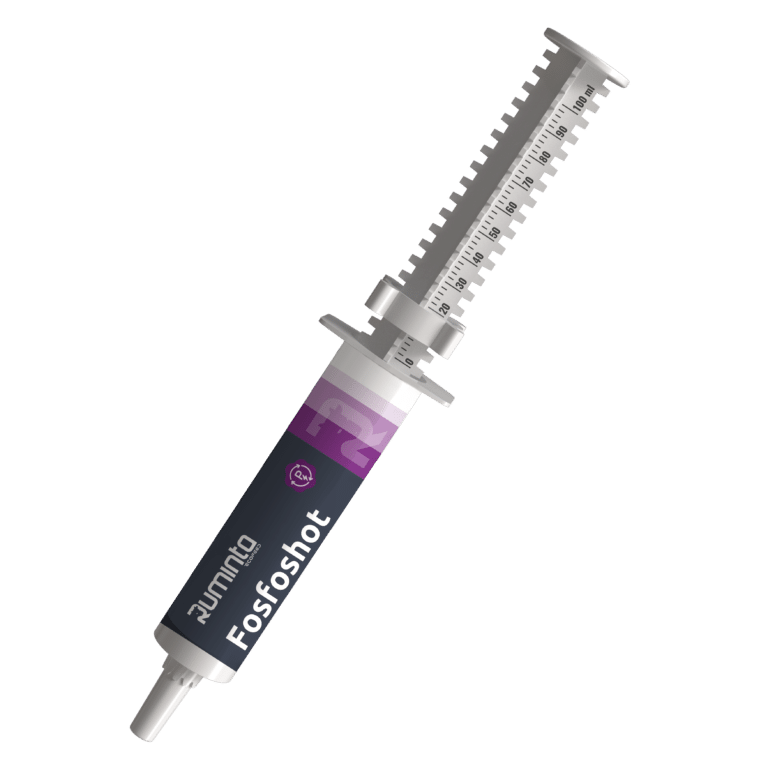
Modern breeding is increasingly turning to proven solutions to support the health and well-being of small ruminants. In practice, supplemental energy, electrolyte, and hygiene products for sheep and goats, such as those offered by ruminta.eu, are helpful. The brand develops solutions based on natural ingredients, vitamins, and plant extracts, among others, to support breeders during periods of greatest stress. lambing can be better planned and the risk of health problems in the herd can be effectively reduced.
Lambing - the most important symptoms that herald the birth
Approaching lambing can be recognized by several characteristic signals, so in the last days of pregnancy, calm but regular observation of the flock is crucial. A sow's behavior often changes first: the animal becomes more restless, stands up and lies down more often, looks at its belly, digs through the litter, and clearly seeks a quiet, secluded place. This is a natural instinct intended to provide a safe environment for the young. One of the most visible symptoms is the enlargement and swelling of the udder, which becomes fuller, warmer, and tighter as the body prepares to feed the lamb colostrum. The breeder may also notice a loosening of the pelvic ligaments – the area around the base of the tail then appears softer and sunken, and the vulva becomes swollen, elongated, and red. Some ewes also experience a mucous discharge from the genital tract. Such symptoms usually indicate that lambing is close, and increased vigilance is necessary. A quick response allows for the preparation of a clean lair if necessary, assessment of the labor progress, and better ensuring the safety of the mother and lamb, which is crucial for animal health and proper rearing organization.
Lambing - what to do after giving birth to support the mother and the lamb
Right after it ends lambing, a quick assessment of the condition of the ewe and lamb is crucial. It's worth checking the mother's posture, whether she's standing up calmly, whether there's no heavy bleeding, and whether the placenta is separating properly. Observing the udder and general behavior is equally important, as lethargy, lack of appetite, or obvious pain may indicate problems requiring intervention. The lamb's breathing and the patency of its nostrils and mouth should be checked immediately, removing any remaining mucus. If the calf is weak, dry it vigorously with a clean towel, which stimulates circulation and helps reduce heat loss.
In practice, good lambing It doesn't end with birthing, but also includes careful care during the first hours of life. The umbilicus should be disinfected as soon as possible with an appropriate preparation to reduce the risk of infection. Collecting colostrum within the first two hours is also crucial, as it provides energy and antibodies essential for immunity. If the lamb is unable to nurse independently, it should be assisted in latching on or given expressed colostrum. A clean, dry bedding area and good hand and equipment hygiene are crucial, as this reduces pathogen pressure at the most vulnerable time. During the postpartum period, it's also worth ensuring nutritional support for the ewe and preventative health care, using proven, natural solutions for small ruminants, developed by brands such as Ruminta.
If you want to learn more click here: https://ruminta.eu/