What will you find in the article?
Cow joints – which problems appear most often and where do they come from?
Cow joints are exposed to very high loads every day, so the most common problems include overloads, inflammation of the joints, injuries and lameness in cows, which are often the first sign of pain. Problems can be caused by slippery or hard floors, prolonged standing, cramped positions, mechanical injuries, and hoof diseases that change gait and place secondary strain on the musculoskeletal system. Nutrition is also important: mineral deficiencies, metabolic disorders, excessive fat, or a negative energy balance weaken tissues and impair regeneration. Particularly challenging is the calving period, when the risk of inflammation, decreased immunity, and metabolic problems increases, which can exacerbate musculoskeletal problems. In practice, a cow with joint disease is less willing to stand up, shortens its stride, cautiously places its limb, lies down longer, and limits feed intake. Quickly detecting such symptoms is crucial, as early response reduces pain, limits the progression of lesions, and helps maintain cow welfare and stable milk yieldIn preventative care, comfortable bedding, good ground grip, hoof trimming, proper nutrition, and body support with preparations for dairy cows, especially during periods of peak activity, are important.
Cow joints – what symptoms should you pay attention to as early as possible?
Problems with cow's joints very often they start with subtle signals that are easy to miss during everyday work. One of the first symptoms can be reluctance to move – the cow lies down longer, is less willing to approach the feed table, or moves more slowly around the barn. This is also alarming. stiffness of gait, especially after getting up, shortening your stride, carefully positioning your limbs, or visibly taking the weight off one leg. It is worth regularly checking the wrist, ankle, and knee areas, because joint swelling, warming of the tissues or pain when touched may indicate inflammation or overload. The breeder should also pay attention to difficulty getting up, more frequent slipping, unnatural limb positioning and postural changes, such as arching the back or prolonged standing while shifting body weight. In practice, deteriorating comfort of movement often quickly translates into reduced feed intake, lower activity and a higher risk of metabolic problems. Regular, calm observation of the herd, preferably at fixed times, allows for earlier detection of disorders concerning joints in a cow and implement nutritional, care and zootechnical support more quickly, which helps reduce health and production losses.
Effective support for joint health in cows – nutrition, hygiene and modern solutions
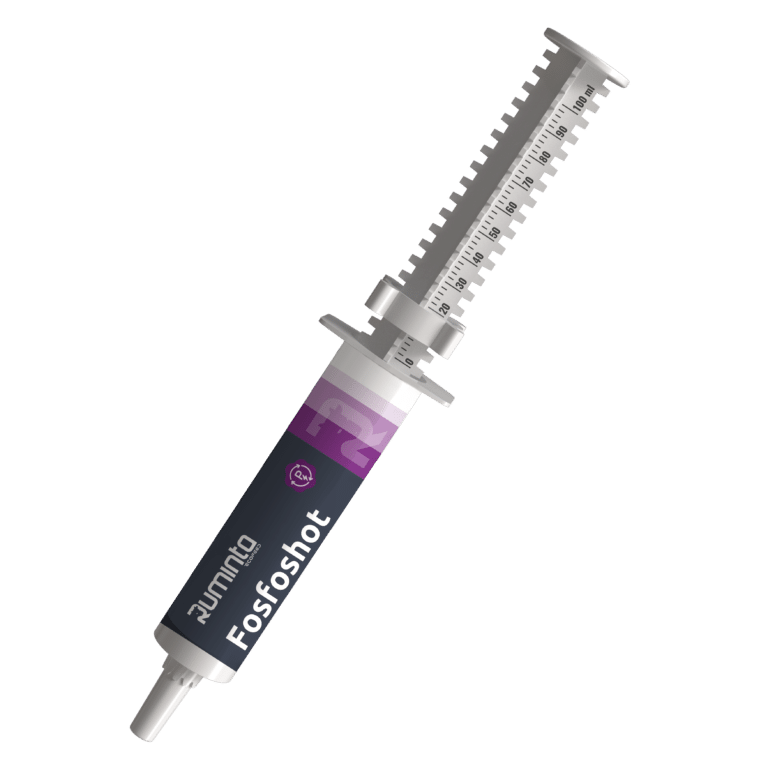
The health, mobility and comfort of an animal are largely determined by cow's joints, therefore, prevention should combine nutrition, care, and housing conditions. The basis is a well-balanced feed ration, adapted to the lactation phase, condition, and performance, with the appropriate level of energy, protein, macro- and micronutrients, and vitamins supporting bone structure, connective tissue, and regeneration. In practice, reasonable supplementation, especially when mineral and vitamin support is needed, or to improve overall condition after calving. Regular hoof trimming and monitoring are equally important, as poor hoof condition quickly translates into overload, lameness, and excessive joint strain. Hygiene of workstations, dry bedding, reduced slippage, and appropriate softness of the floor help reduce mechanical injuries and stress on the musculoskeletal system. It's also important to ensure cows are moved calmly, avoiding prolonged standing and excessive crowding in the barn. Modern products supporting animal well-being and health are also playing an increasingly important role. A subtle example is ruminta.eu – a Polish manufacturer of solutions for dairy cattle farming, which develops products based on natural ingredients, plant extracts, and the experience of its research and development team, supporting farmers in their daily preventative care.
Find out more – Click here: https://ruminta.eu/