What will you find in the article?
A cow doesn't want to eat - what signals should immediately raise your alertness?
When the cow doesn't want to eat, it's not worth waiting for the problem to go away on its own. A decrease in appetite is often one of the first symptoms of health disorders, nutritional errors, or problems occurring around calving. This very fact should raise awareness. lower feed intake, especially if the animal approaches the feeding table less willingly, chooses only part of the ration or leaves the TMR that it previously ate without any problems. An important signal is also depression, lowered head, less reaction to the environment or isolation from the herd.
The breeder should also pay attention to decrease in milk yield, because a reduction in milk production very often goes hand in hand with a deterioration in dry matter intake. It is also alarming reluctance to get up, prolonged lying, careful movement, or significant discomfort. Another important indicator is changes in chewing – shorter chewing time, less frequent ruminal activity, or a complete lack of the chewing reflex may indicate digestive disorders. It is also alarming limited water intake, because dehydration quickly worsens the cow's condition and intensifies metabolic problems.
In practice, it is of great importance quick observation of the herd and daily monitoring of animal behavior. It is these small changes, noticed early enough, that allow for the faster implementation of appropriate nutrition to support rumen function, energy and electrolyte supplementation, and, if necessary, consultation with a veterinarian.
The most common causes of the problem of a cow refusing to eat – from nutrition to the post-calving period
When the cow doesn't want to eat, the cause often lies in several overlapping factors. Very common are nutritional errors, especially too little fiber, poor quality feed, underheated silage or too much easily fermentable ingredients. The problem may also appear after sudden change in food ration, when the rumen microflora does not have time to adapt, and this contributes to a decrease in feed intake, acidosis and digestive disorders. stress related to transport, changing groups, heat, overloaded stalls or pain. In cows after calving, a common cause of loss of appetite is ketosis, negative energy balance, metabolic disorders, such as hypocalcemia, and also dehydration. IN around calving the risk of retained placenta, displacement of the abomasum, inflammation and weakening of the rumen increases, which is why appetite requires special control at this time. If the cow doesn't want to eat, it is worth assessing not only the feed itself, but also condition, temperature, hydration, and droppings. In practice, effective support should be tailored to the source of the problem: in the case of energy loss, energy supplements are used, and in the case of dehydration and diarrhea, mixtures electrolyte, and in case of fermentation disorders, supporting products rumen microflora. Modern breeding also uses functional boluses and post-calving preparations, such as the solutions offered by ruminta.eu, including energy, electrolyte and rumen support.
Effective support when the cow doesn't want to eat – how to act quickly and wisely
When the cow doesn't want to eat, a quick and calm reaction is crucial. First, it's worth assessing the cow's general condition: temperature, behavior, rumination, appearance of the stool, water intake, and any potential drop in milk production. Loss of appetite after calving or during periods of high production may be associated with pain, dehydration, rumen dysfunction, negative energy balance, or developing ketosis. Therefore, don't delay contacting a veterinarian, who will help determine the cause and choose the appropriate treatment. At the same time, it's important to ensure easy access to fresh water, good quality feed, and monitoring dry matter intake, as hydration and energy levels largely determine the rate of recovery.
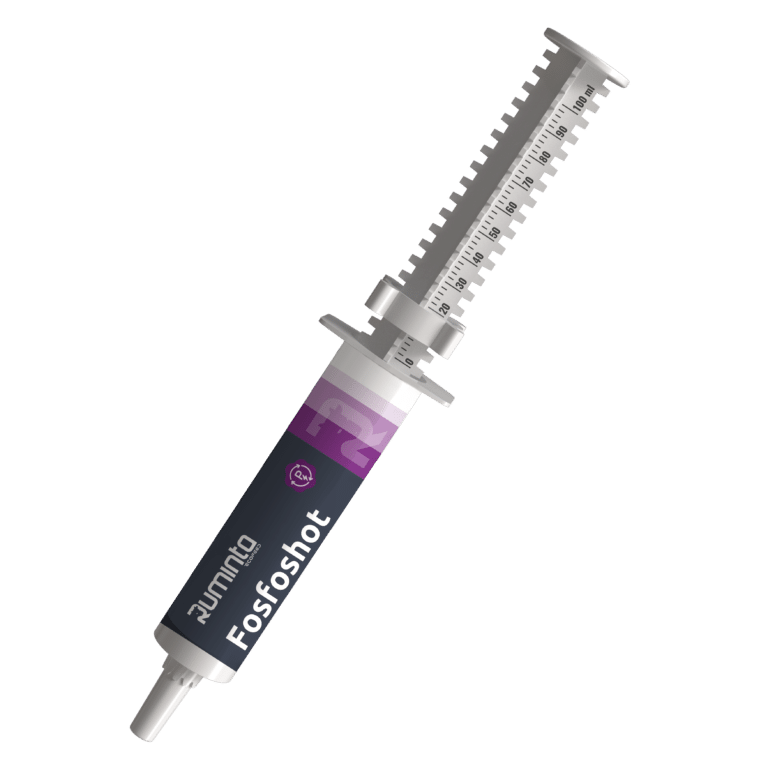
In practice, support should also include supplemental nutrition: post-calving formulas to support recovery, products to reduce the risk of ketosis, mixtures to improve rumen function, and solutions to address vitamin, micronutrient, and energy deficiencies. Formulas based on glycerin, vitamins, and plant-based ingredients work well, helping to stimulate appetite and support metabolism. ruminta.eu offers natural and effective solutions for dairy farming, such as preparations to support post-calving rumen microflora, anti-ketosis boluses, and vitamin energy supplements. Such support, implemented early enough, helps protect the cow's health, appetite, and performance.
Find out more – Click here: https://ruminta.eu/