What will you find in the article?
Lactation in cows – what really determines a healthy and efficient start
Lactation in cows This is the natural period of milk production that begins after calving, but its course is largely determined by the condition the cow is in when she enters the period around calving. This is when the body experiences a very high metabolic burden: the need for energy, water, protein, minerals, and vitamins increases, and at the same time, there is often a decrease in appetite. If the cow does not receive adequate support, it is easy to negative energy balancewhich increases the risk of problems such as ketosis, weakness, rumen disorders, or poor feed intake. This, in turn, quickly affects health and the appearance lactation in cows in the first weeks after birth.
Proper, highly palatable nutrition, constant access to clean water, and rapid energy and electrolyte replenishment after calving are crucial. Well-chosen post-calving supplements can support hydration, rumen microflora, and the return to proper feed intake. Breeding practices also utilize solutions aimed at reducing the risk of ketosis and supporting metabolism, such as post-calving supplements and energy supplements offered by ruminta.eu, including products based on glycerin, vitamins, and plant ingredients. Such support, administered at the right time, promotes a better start to lactation, stabilizes the body, and maintains high milk yields.
Healthy udder and milking hygiene – the key to high-quality milk
On how it goes lactation in cows, the condition of the udder and the standard of hygiene throughout the milking process have a huge impact. A healthy udder means a lower risk of inflammation, better animal comfort, and more stable, high-quality milk production. Prevention is particularly important. mastitis, because even subclinical mastitis can reduce yield, worsen milk composition, and increase somatic cell count. Therefore, regular teat assessment, thorough washing and drying before milking, and careful post-milking hygienewhich protects the teat canal after milk has been released.
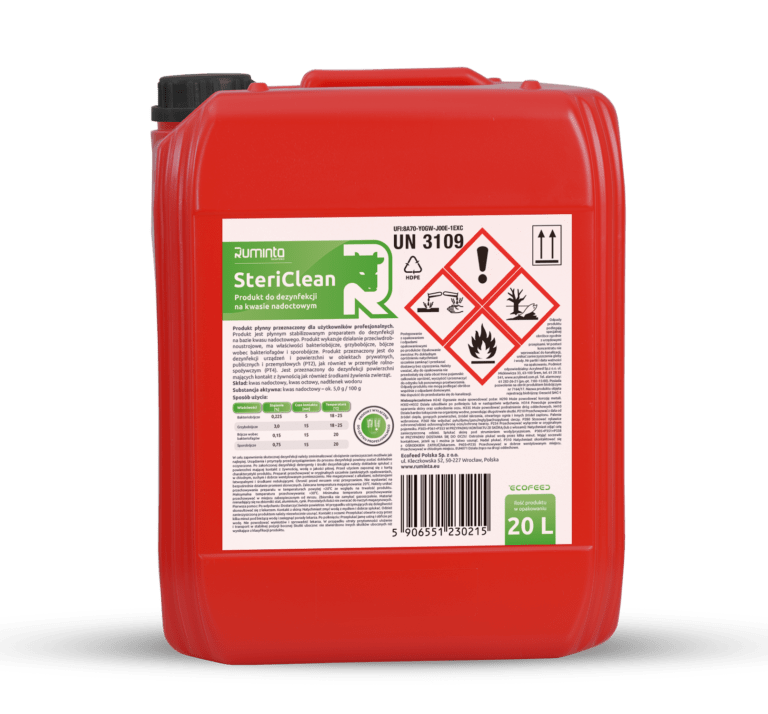
The cleanliness of the beds, corridors, and the entire living environment is also important, as moisture, manure residue, and dirt favor the growth of microorganisms. Proper maintenance is equally important. cleaning of milking installations, which limits bacterial growth and protects the quality of the raw material. Neglect in this area leads not only to health problems but also to decreased productivity, poorer technological suitability of milk, and greater economic losses. In practice, specialized preparations for udder care and teat disinfection, such as milking hygiene available at ruminta.eu, including post-milking preparations that support skin protection and reduce the risk of infection. lactation in cows can be more stable and the milk maintains high quality.
Nutrition and modern support - how to wisely improve lactation in cows
High lactation in cows is the result not only of good genetic potential, but above all, of carefully planned nutrition and a quick response to the body's needs. A cow with high milk production must receive a ration that covers the demand for energy, protein, fiber, and nutrients supporting proper rumen function. Also of great importance are vitamins and minerals, especially calcium, magnesium, phosphorus, selenium, zinc and vitamins A, D and E, because they affect immunity, fertility, hoof condition and milk quality.
In practice, it plays an increasingly important role precise supplementationAdditives that stabilize the rumen environment and support the development of microflora help maintain good feed intake and reduce the risk of acidosis. Post-calving supplementation is also important. electrolyte preparations and energy that support hydration, appetite, and a faster return to metabolic balance. During the transition period, solutions that reduce typical problems such as ketosis, energy deficiencies, and post-calving disorders are important, because this is when further decisions are often made. lactation in cows.
Modern breeding is increasingly willing to use products based on natural ingredients, such as: plant extracts i essential oilsthat can support digestion, immunity, and herd well-being. ruminta.eu also develops this approach, offering supplementary feeds, boluses, tube syringes, and post-calving and hygiene products designed with animal health and improved milk production in mind.
Find out more – Click here: https://ruminta.eu/